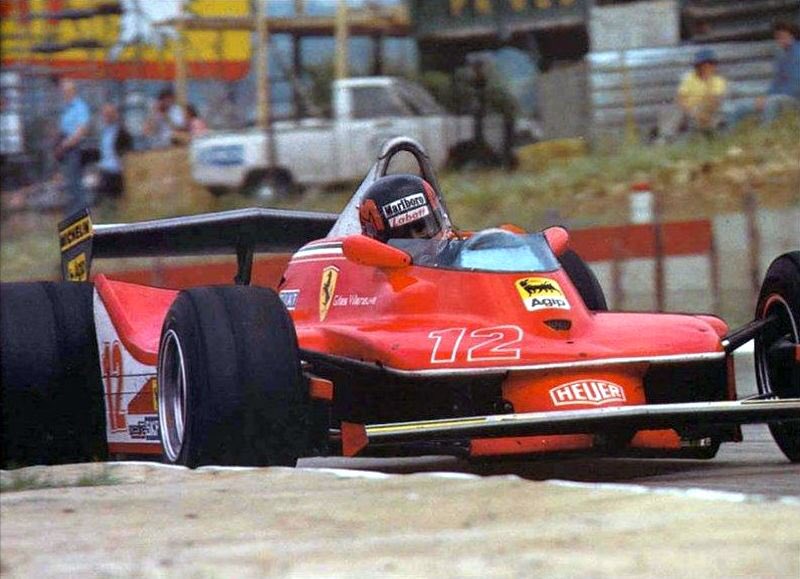
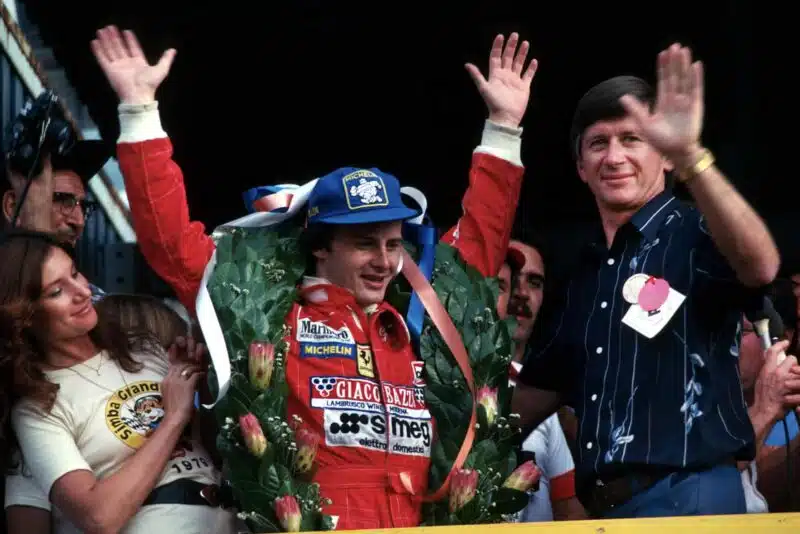
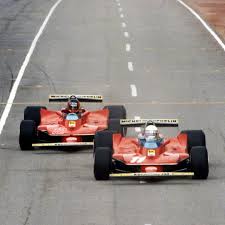
The race, contested over 78 laps, was the third race of the 1979 Formula One season and was won by Gilles Villeneuve, driving a Ferrari.
The race was characterized by a mixed wet-dry condition, which Villeneuve navigated perfectly, and also featured the final Grand Prix for driver Jacky Ickx.
Teammate and local driver Jody Scheckter finished second, while Jean-Pierre Jarier finished third in a Tyrrell-Ford.
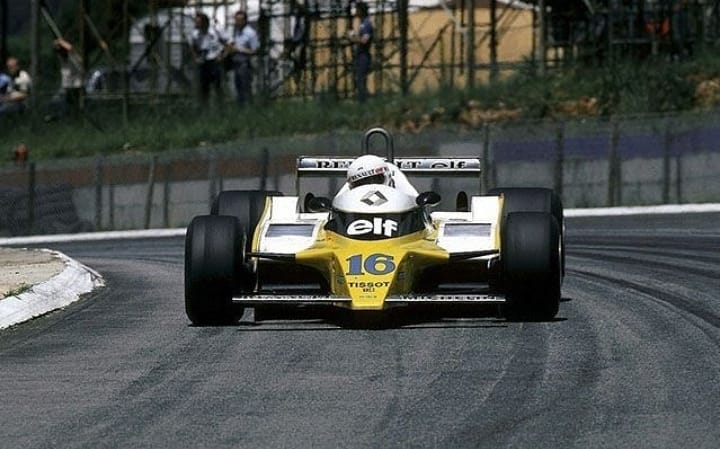
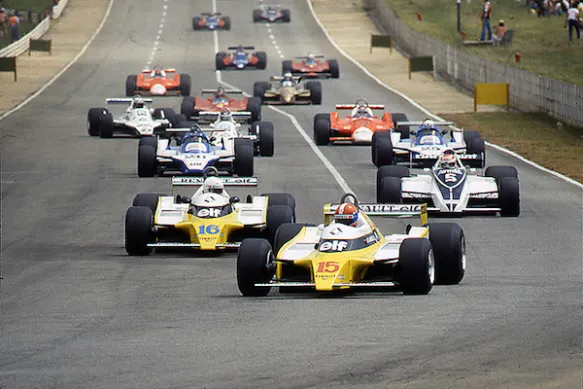
The race was won by French driver René Arnoux driving a Renault RE20.
It was Arnoux' second World Championship victory adding to his win at the previous race the 1980 Brazilian Grand Prix.
This was the first race since the 1968 United States Grand Prix to have three drivers from the same country on the podium; all three were also driving French-built cars.
Despite Alain Prost suffering a puncture while leading, he was able to recover to win the race.
Emerson Fittipaldi finished second for the Lotus team and McLaren driver Peter Revson came in third.
The prelude to the race was notable for a strike action by the Grand Prix Drivers' Association, led by Niki Lauda and Didier Pironi, in protest at the new superlicence conditions imposed by FISA, which would have tied the drivers to a single team for up to three years.
A late compromise was reached and the race went ahead.
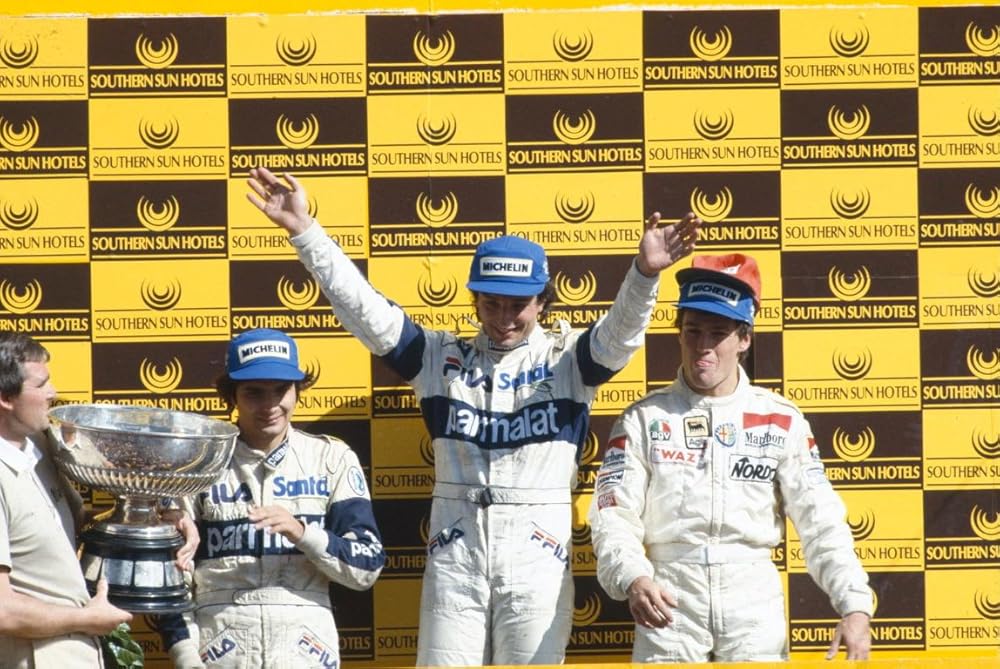
The 77 lap race was won by Riccardo Patrese driving for Brabham. This would be Patrese's last win for nearly seven years until he won for Williams at the 1990 San Marino Grand Prix.
The race finished with Patrese in first place, de Cesaris in second and Piquet in third, and Piquet won the championship by two points.
John Watson, completing his last full Formula One season, was disqualified for overtaking other cars on the parade lap. This was also the last F1 race for Jean-Pierre Jarier.
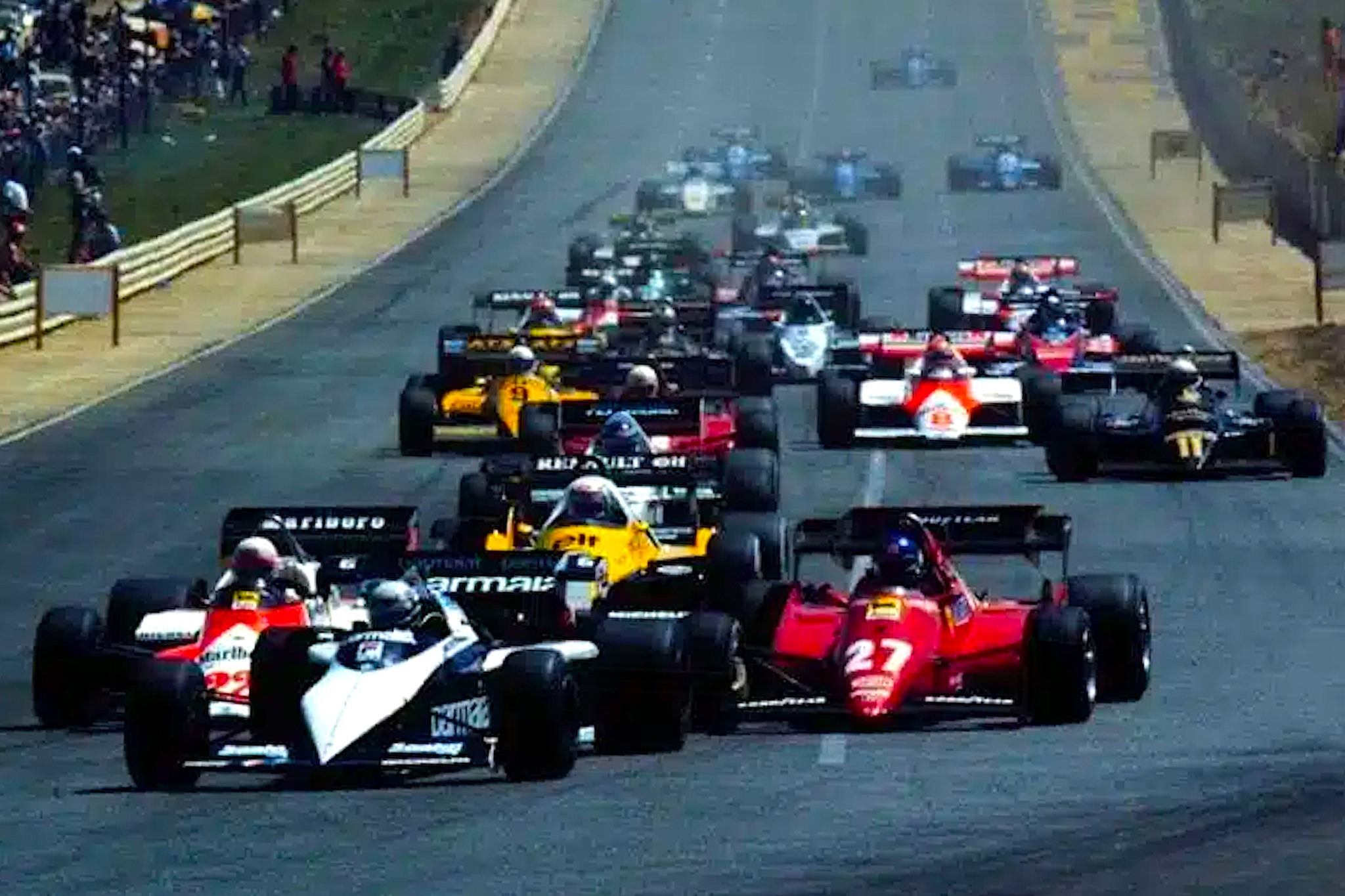
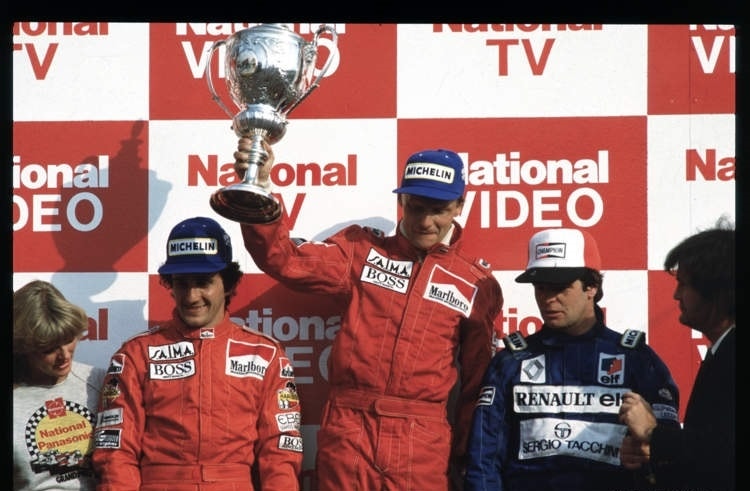
The 75-lap race was won by Niki Lauda, driving a McLaren-TAG, with teammate Alain Prost second and Derek Warwick third in a Renault.
Lauda controlled the race and went on to win easily, with Prost over a minute behind in second and the only other driver on the lead lap.
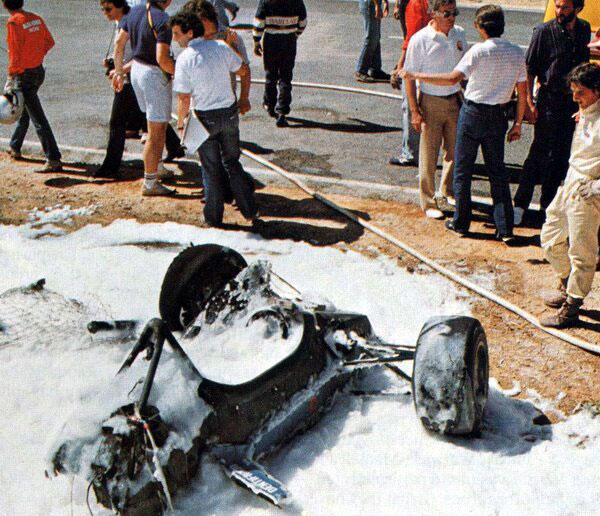
In the Sunday morning warm-up session Piercarlo Ghinzani, who had qualified 20th in his Osella, crashed heavily at the fast left-hand Jukskei Sweep, the car bursting into flames.
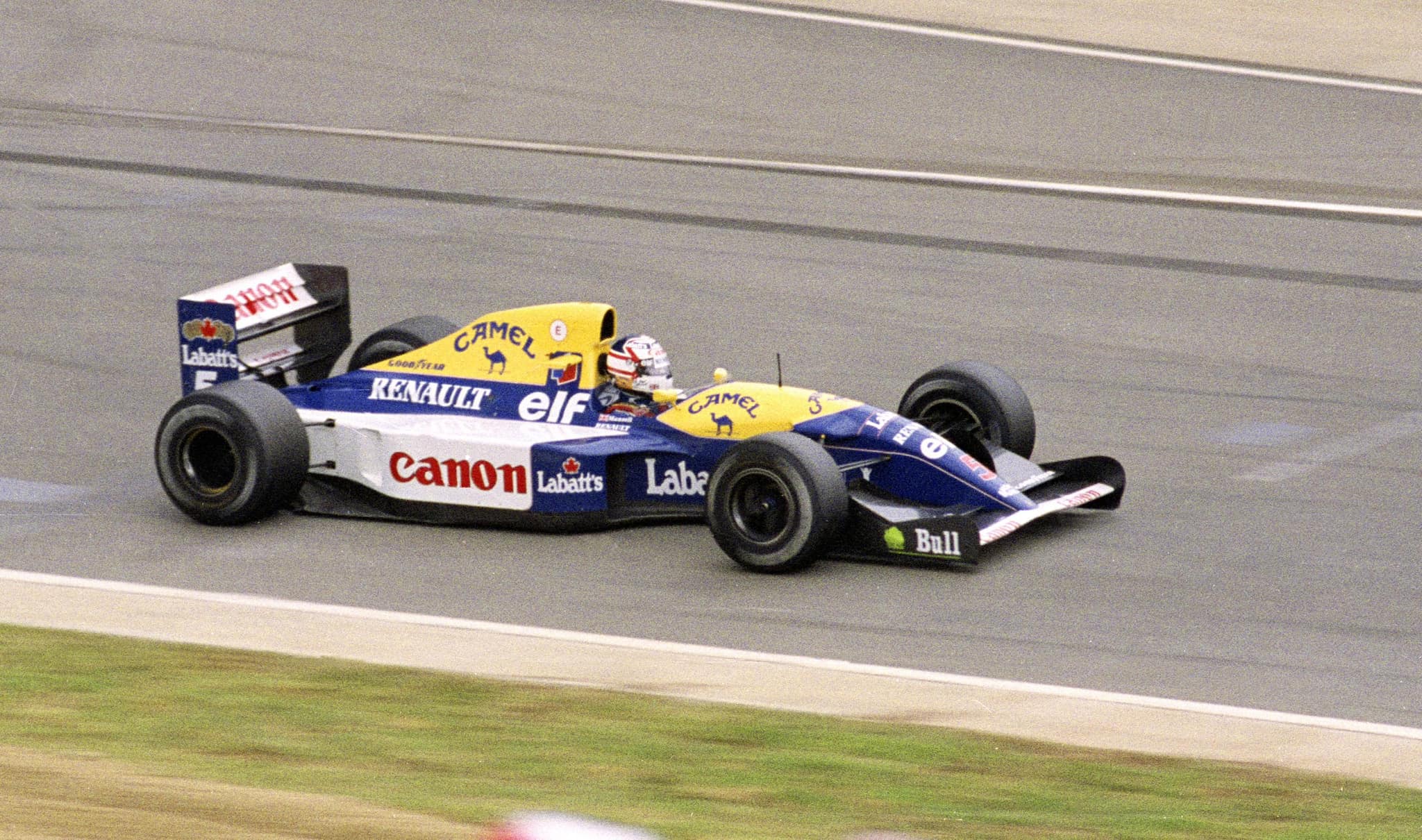
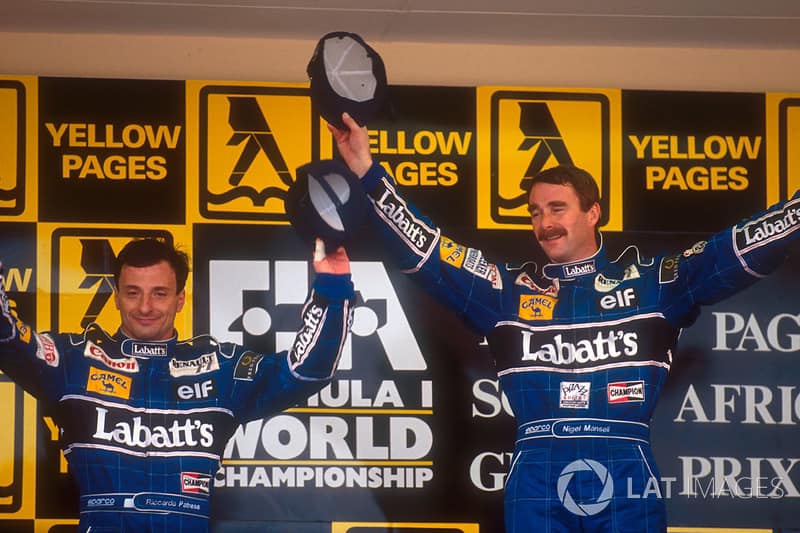
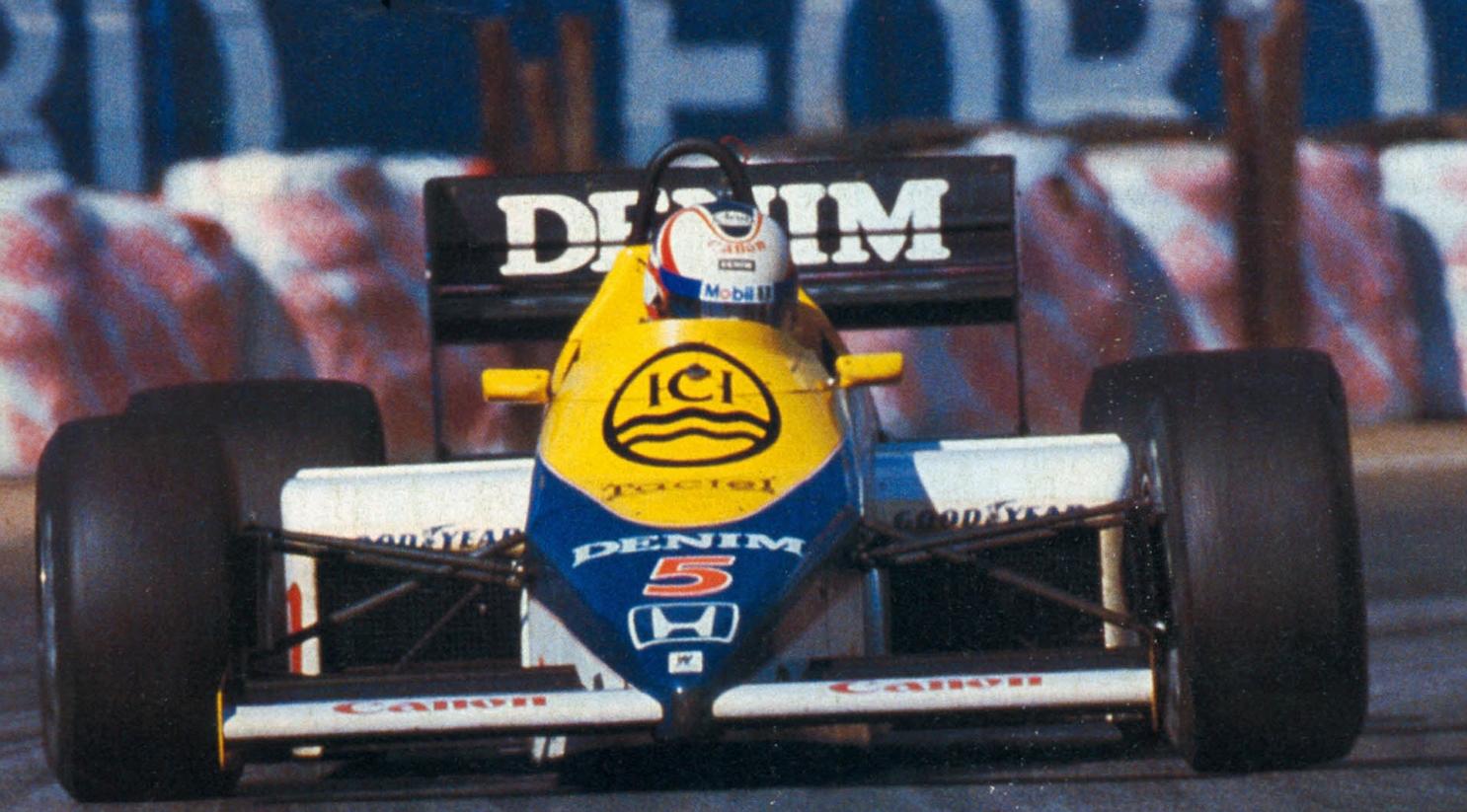
Nigel Mansell dominated the weekend in his Williams-Renault, taking pole position, fastest lap and leading every lap of the race en route to victory for the second time in his career.
The race finished with Patrese in first place, de Cesaris in second and Piquet in third, and Piquet won the championship by two points.
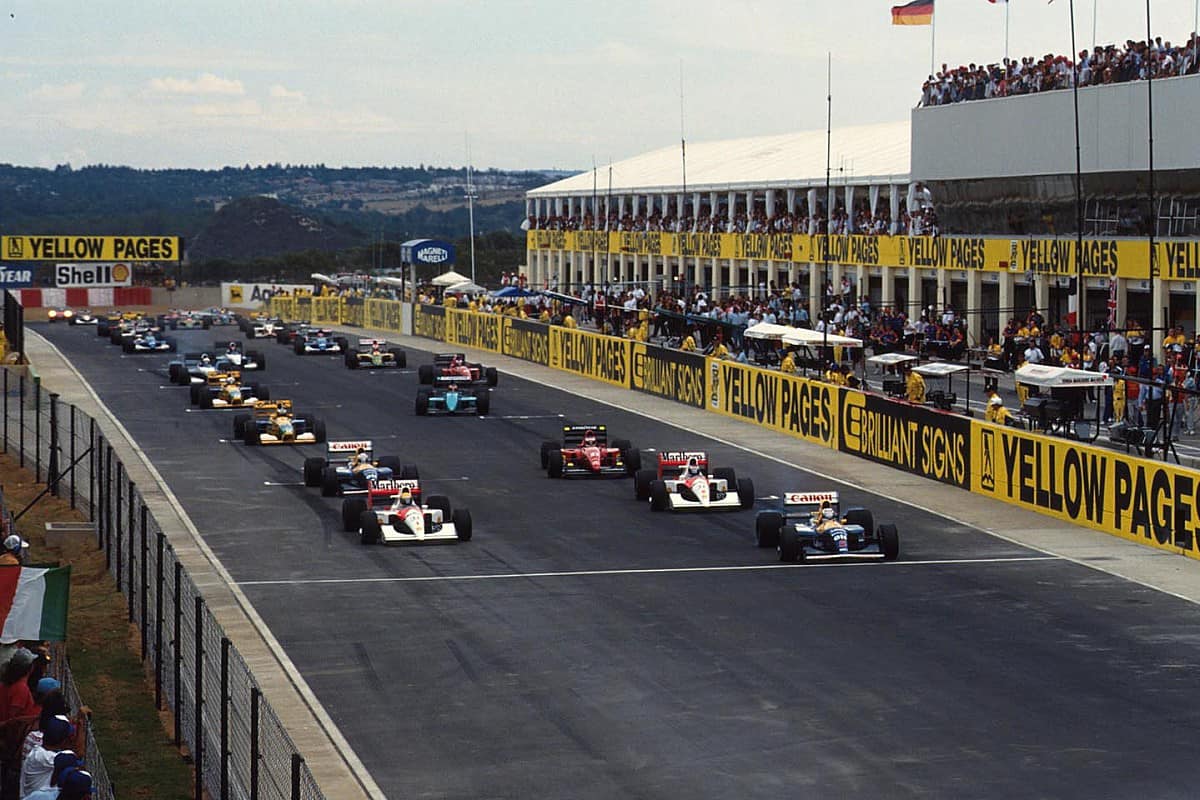
This was the first post-apartheid South African Grand Prix, it was held on a revised Kyalami circuit, which used only a small part of the old layout.
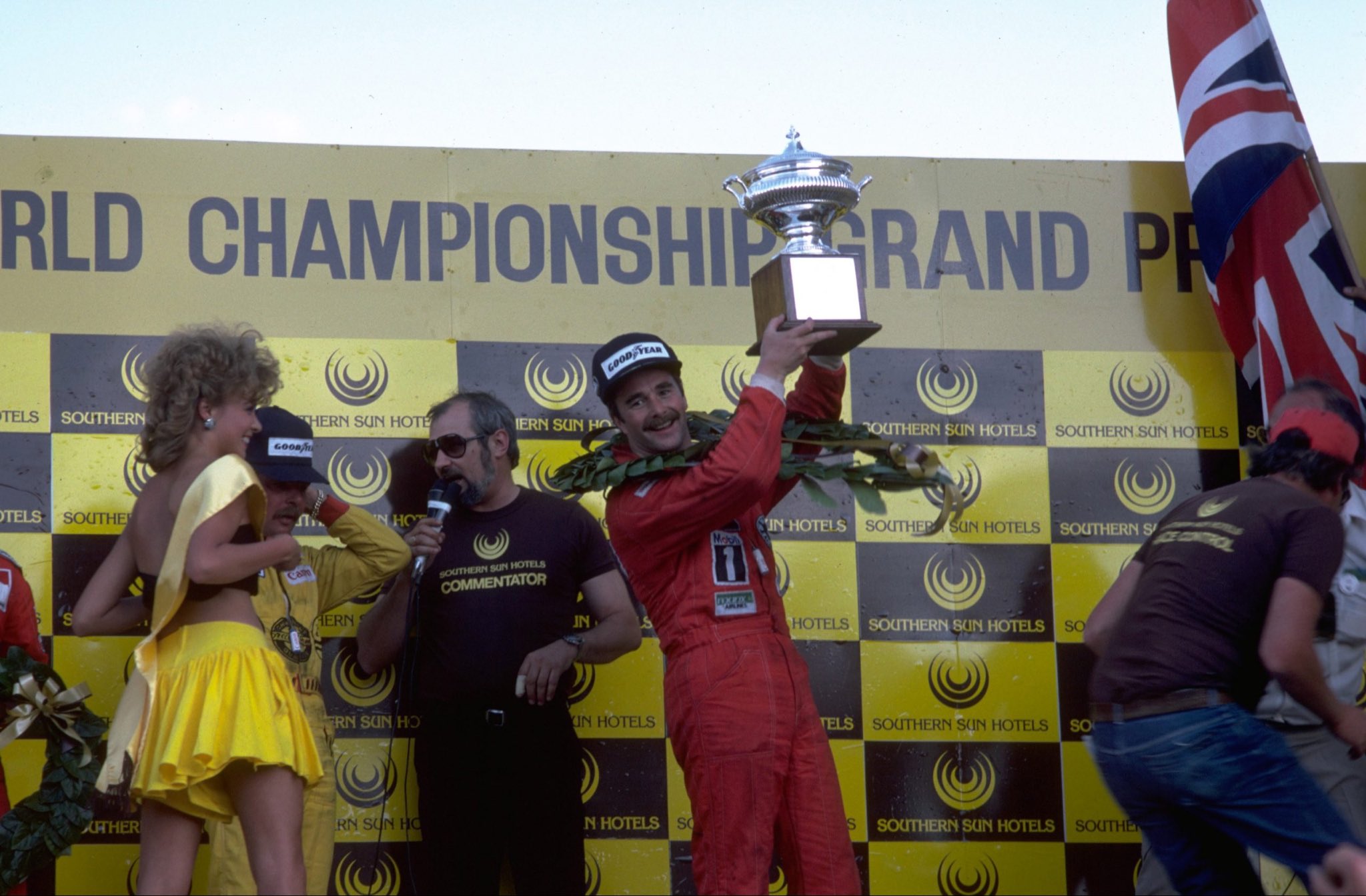
The race was won by Nigel Mansell in a Williams-Honda, who also took pole position.
It also was the last World Championship Grand Prix where laurel wreaths were given to the drivers at the podium and, until the 2023 Las Vegas Grand Prix, this was the last World Championship Grand Prix to be held on a Saturday.
The race was marked with some teams boycotting the event due to apartheid and was the last South African Formula One race until apartheid ended in 1992.
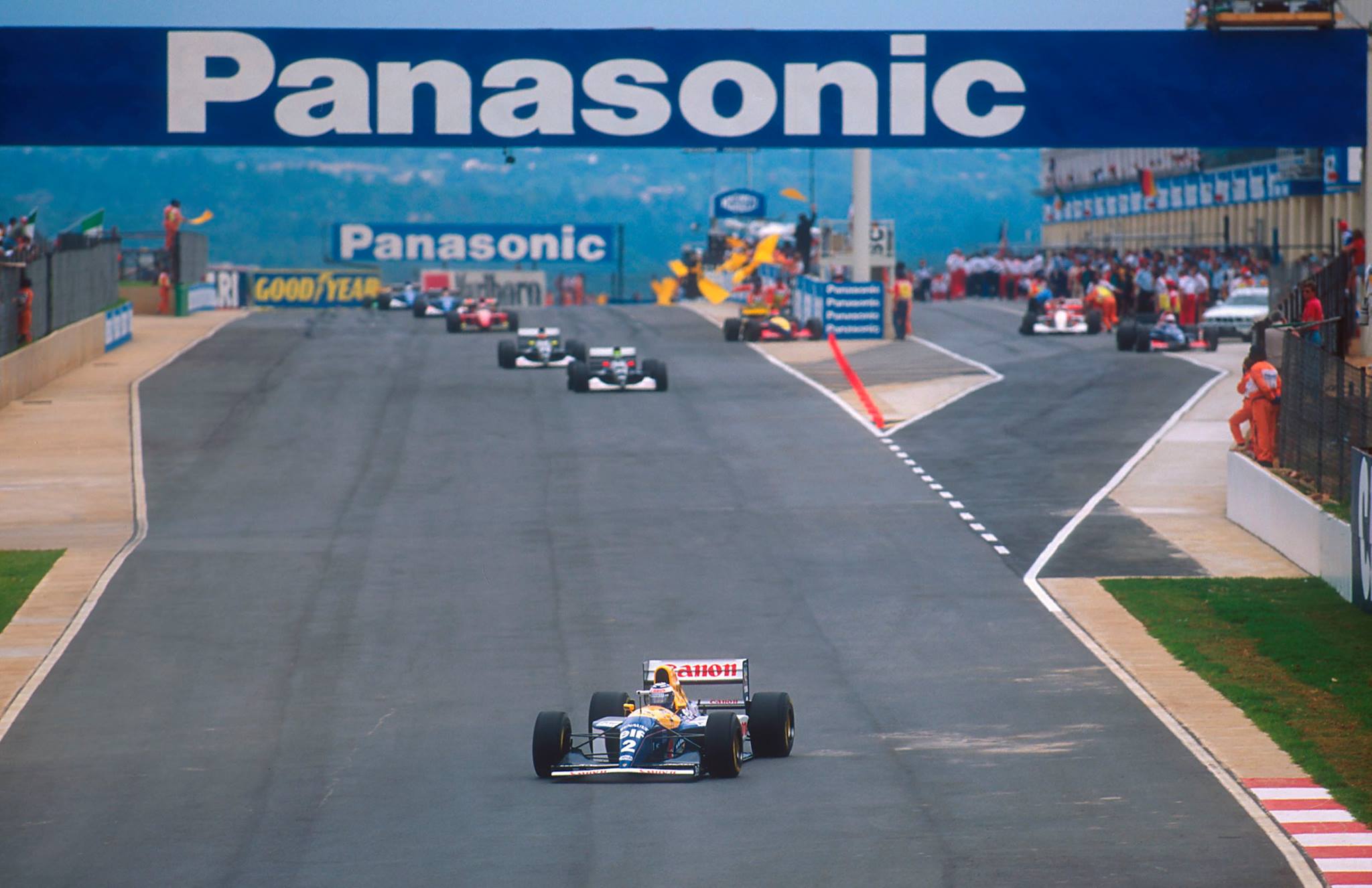
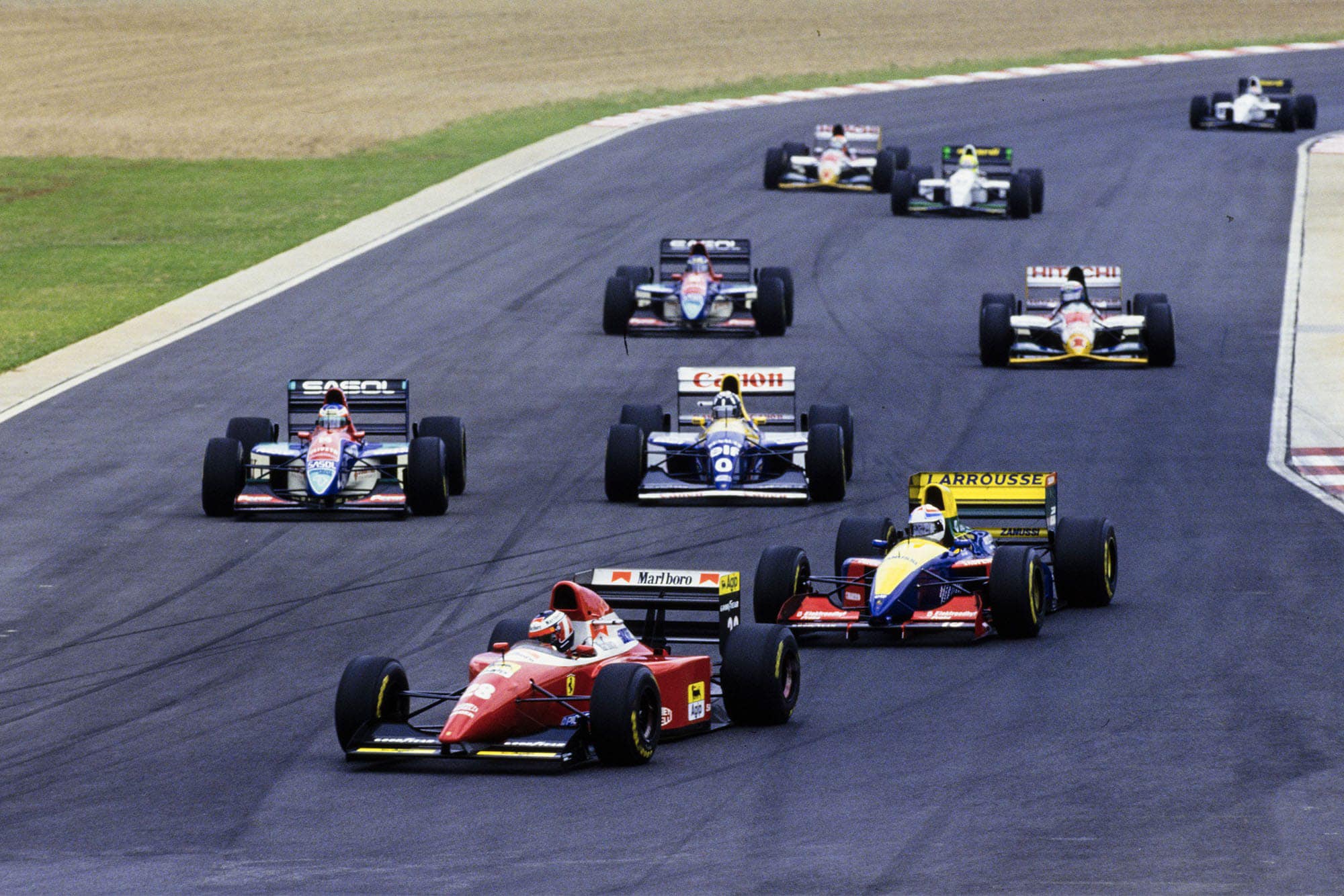
The 72-lap race was won by Frenchman Alain Prost, driving a Williams-Renault.
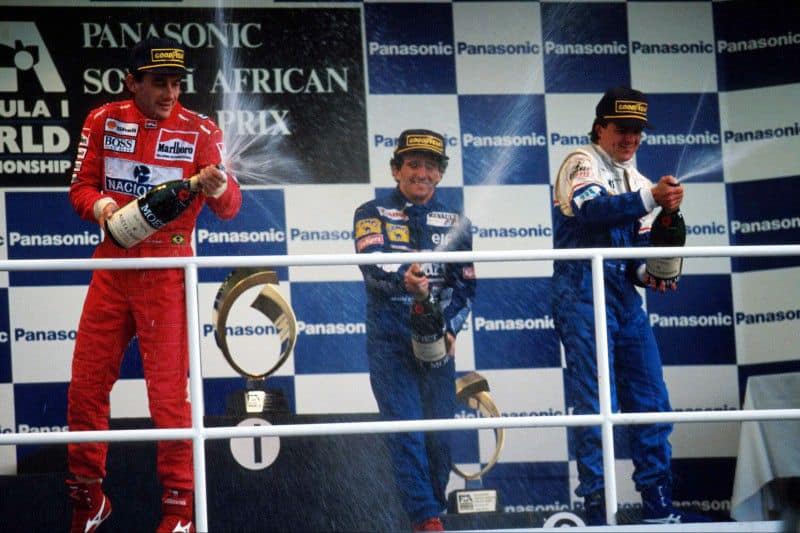
Prost, returning to Formula One after taking the 1992 season off, took pole position and led the last 49 laps, winning by over a minute from Brazilian Ayrton Senna in a McLaren-Ford.
The race also marked the debut of the Swiss Sauber team, who scored their first points courtesy of Finn JJ Lehto's fifth-place finish.